Partner programme · Tier 1 & Tier 2
Making innovation
desirable
Turning Tier 1 and Tier 2 R&D into lighting concepts that OEM design studios want on their cars.
Request the presentation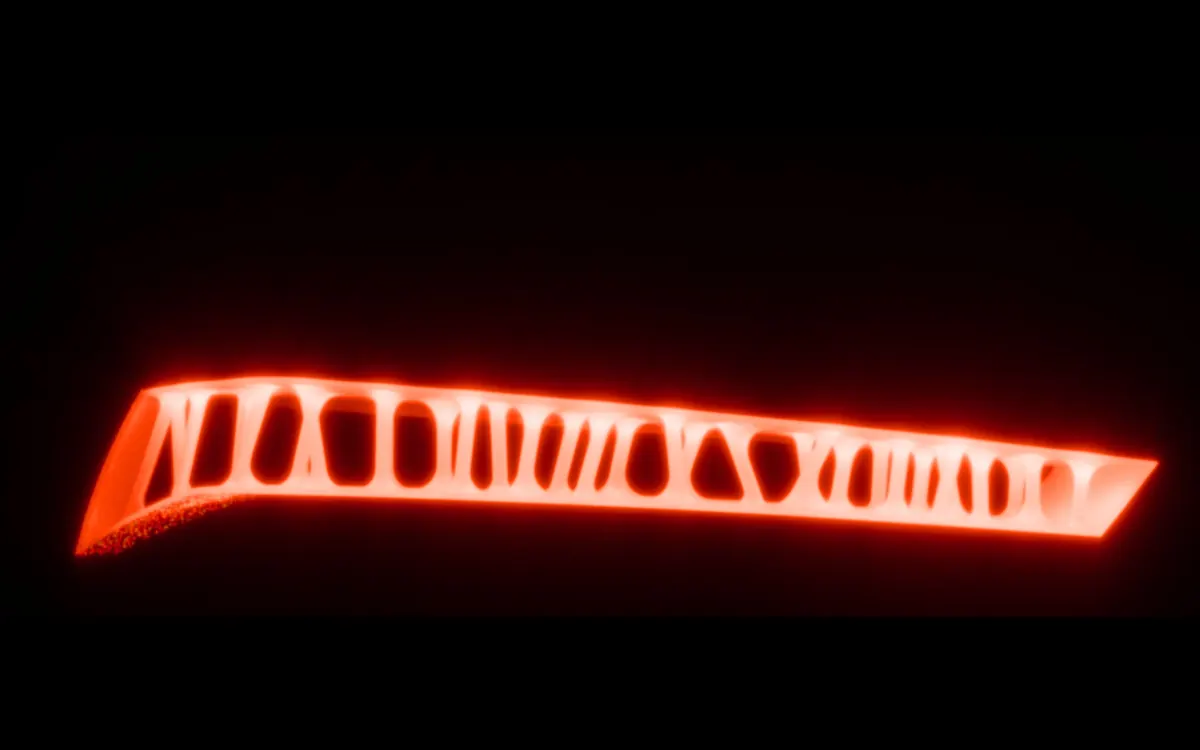
- Years in lighting
- 24
- Projects delivered
- 100+
- Design-driven R&D projects
- 5
- R&D value led with technology partners
- €1M
Always design-driven: every project started from a real OEM need and was steered by design, from first sketch to working demonstrator.
The innovation gap
Great technology, lost in translation
Much of the R&D budget of lighting suppliers reaches OEMs in a form their designers do not fall for. Along the way, value leaks at every step.
01R&D investment
02Demonstrator
Rushed or immature
Built for the show date, not for the story. Limits dominate the message.03OEM design studio
Read as "just a technology"
A sample or datasheet with no emotional read. The studio cannot see it on its car.04OEM engineering
No pull from design
Without a designer asking for it, risk and cost win the discussion.05Series adoption
Conventional nominated
The proven solution is sourced. The investment does not return.
Result: good ideas that only needed one more push in design are shelved, and the customer ends in a conventional solution.
Root causes
Why good ideas do not land
From our side of the table, as OEM designers and as supplier designers, the same four patterns repeat.
What it costs
R&D investment without the expected return. Nominations go to conventional solutions, and the next budget round is harder to defend.
What is lost
Innovation transfer stalls. The know-how stays in the lab, and ideas with real potential never reach a vehicle programme.
Our point of view
Design pulls, engineering follows
In an OEM, the design studio is the front door. When a studio wants a technology, it asks engineering to make it happen, not the other way round.
Your R&D
Technology
Performance, know-how, cost and limits. Often invisible to a designer.
IN FACT DESIGN
Creative translation
Applications, signatures, lit aspect and demonstrators that make the technology readable in seconds.
OEM design studio
Desire
"We want this on our car." The studio briefs the technology into the next programme.
OEM engineering
Adoption
Specification, sourcing and series development, driven by a design request.
Today: supplier push, straight to engineering Conventional
We make your technology enter through the eyes: attractive, specific to a brand, shown the way a customer will meet it.
We squeeze each solution at design level through demonstrators, mock-ups and proofs of concept in specific applications.
The result is a higher adoption rate, knowledge you can reuse, and R&D investment that returns.
Latest collaborations
Recent lamps on the road
CUPRA, NIO and Deepal. Headlamps, rear lamps and interior lighting delivered between 2022 and 2025.
How we work
From lab to studio
What we do for Tier 1 lamp integrators and Tier 2 technology suppliers, and how we do it.
Your platforms, their signature
Headlamps, rear lamps and illuminated exterior parts. We turn your technology into proposals each studio recognises as its own.
- Brand-specific signature concepts built on your modules and platforms
- Lit-aspect studies and renders, day and night, the way the customer meets the car
- Body-shell lighting: light integrated in bumpers, grilles, panels and trims
- Show-car lamps and demonstrators for OEM tech days and trade fairs
- Proposals backed by feasibility: optics, packaging, regulation
- Design guidelines so each studio gets the best out of your platform
Method
Five steps from lab to studio
The same pipeline we use for OEM programmes, pointed at one goal: making your technology read at first sight.
Design territories
Explore
What the technology can say that nothing else can
Outcome
Two or three directions
What you get
- Design exploration book
Enter at any step. Many projects start at 02 with a technology that already exists, and a demonstrator that needs a second life.
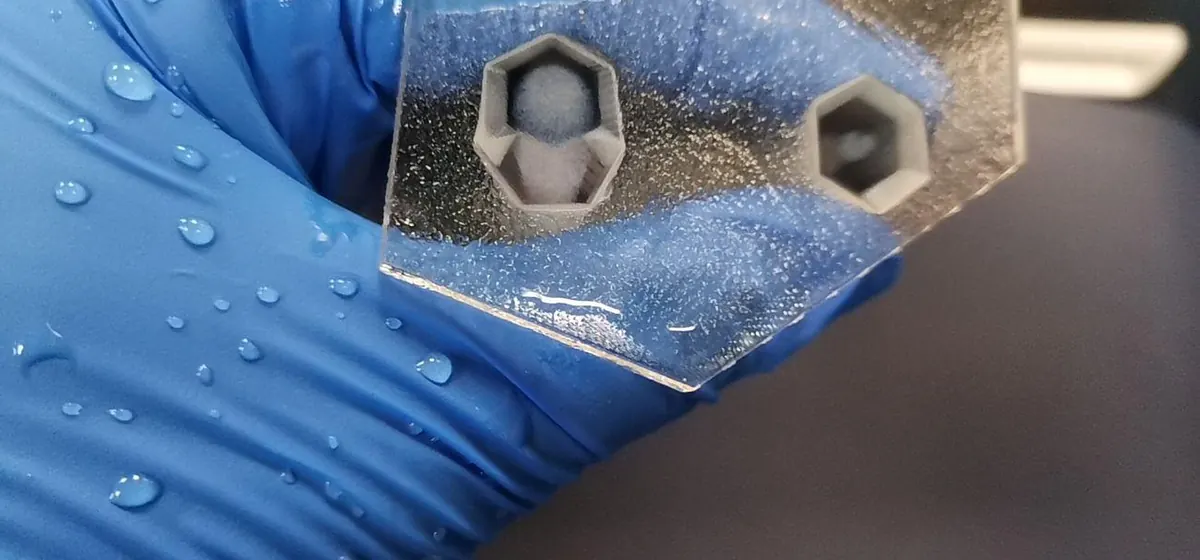
Case · Exploring a technology
From lab sample to lit concept
One technology, three moments: the raw sample, the first light, and the lamp a designer can picture on a car.
Case · Demonstrator
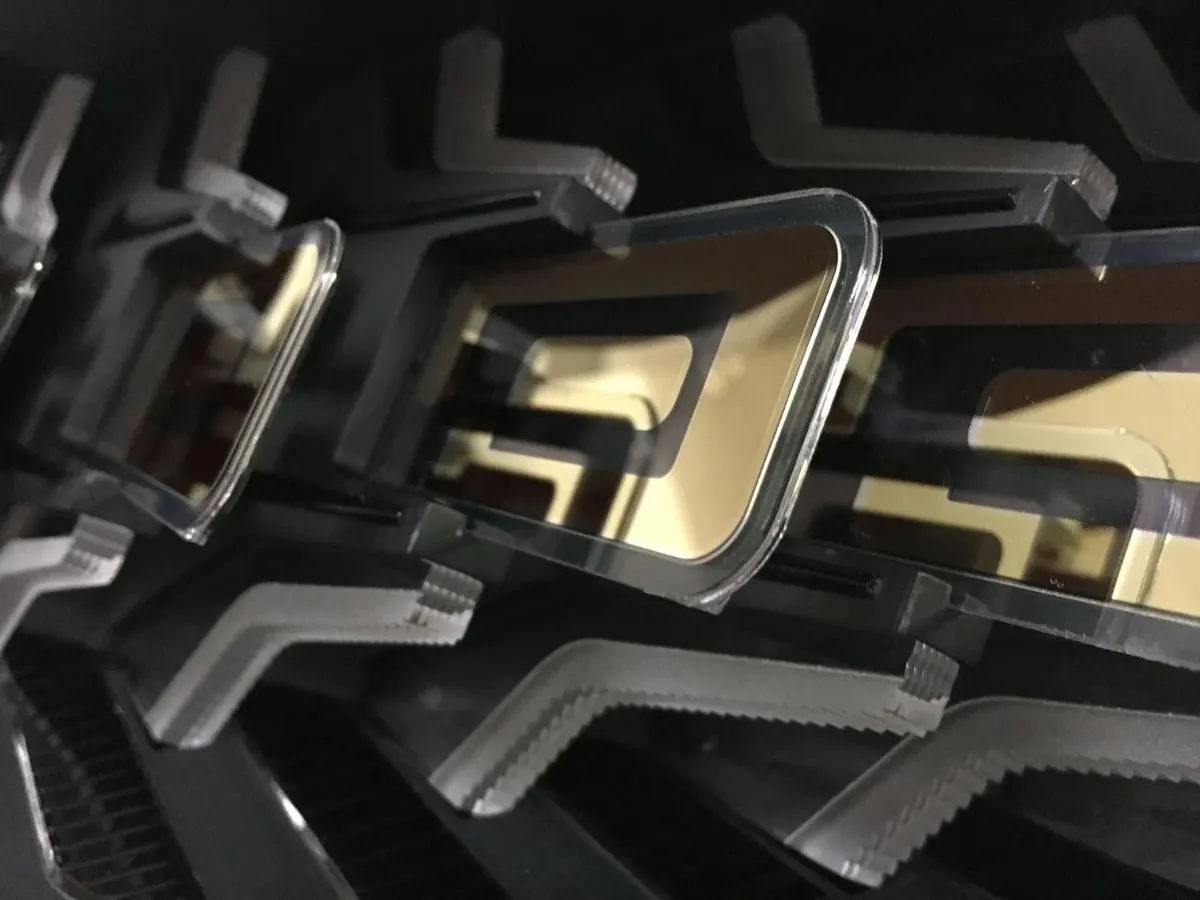
Designed to be read in seconds
Off, it has to look precious. On, it has to tell the story on its own. Both states are designed, not left to chance.
Drag to switch it on
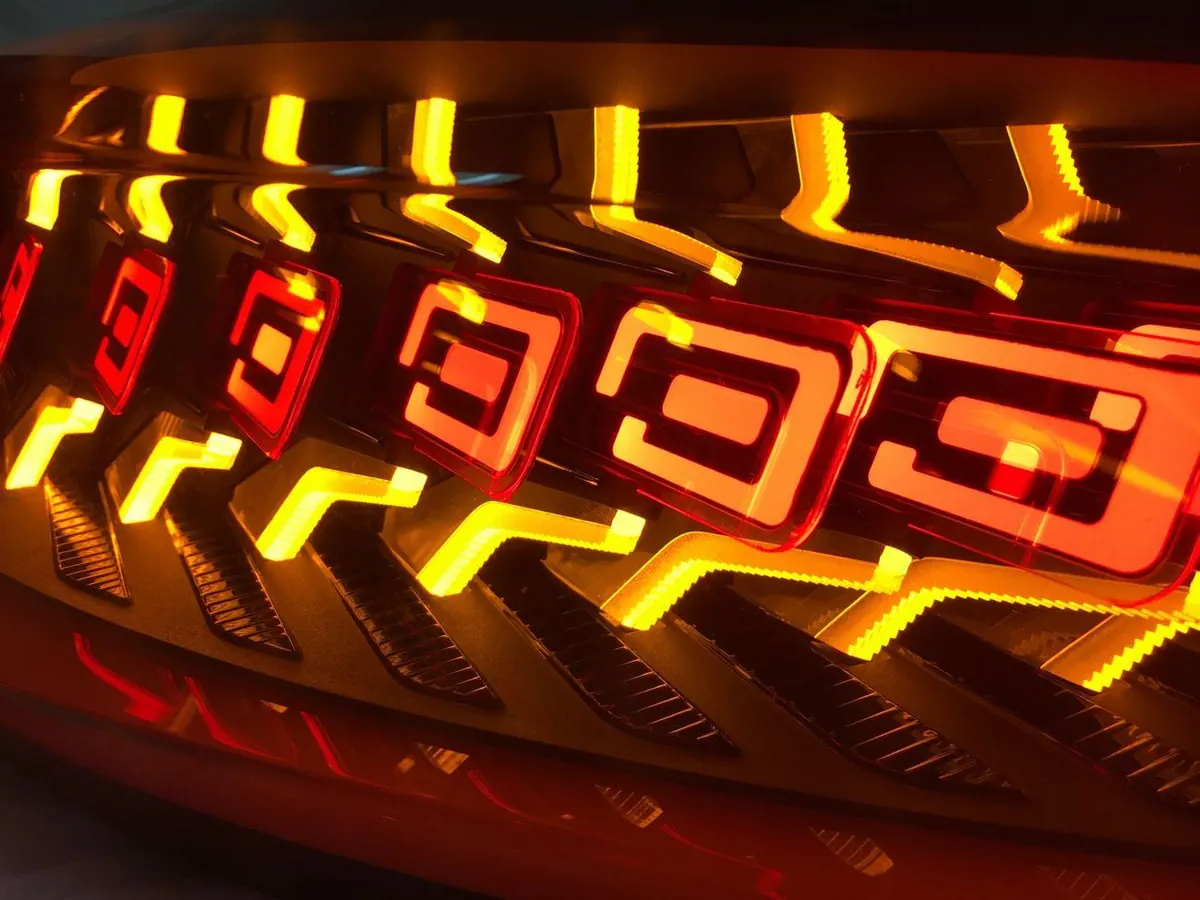
Evidence · Design and prototyping
Beautiful and feasible
Because we also speak engineering, the concept survives the handover to your teams and to the OEM.
The return
What it changes for you
Small extra effort in the design phase, where most of the adoption decision is made.
01
Higher adoption
Studios ask for your technology by name, and engineering receives a design request instead of a supplier push.
02
Knowledge generated
Every exploration leaves design rules, use cases and data you reuse with the next customer.
03
Investment protected
Your R&D budget turns into nominations, not into demonstrators that stay on a shelf.
04
Stronger OEM dialogue
You meet studios with a story and a showpiece, and you open conversations earlier in the programme.
Two ways to work together
Your technology, or our ideas
From the studio side we see needs your R&D often cannot see. We turn them into concepts, and into projects.
Your R&D brings the technology. We explore it, apply it to real cars and build the demonstrator that makes studios ask for it.
Design projects
Proposed first step
One technology, one pilot
A short, fixed-scope pilot that proves the method on a technology you choose.
- 01We choose together one technology from your R&D pipeline
- 02Tech scouting session with your R&D team: strengths, limits, maturity
- 03Design exploration and three application scenarios on real vehicles
- 04One demonstrator concept with validated lit aspect and feasibility check
- 05Studio-ready presentation, and a workshop with an OEM design team
- Scope
- One technology, end to end
- Format
- Working sessions with your R&D and design teams
Next step
Ready to make your technology shine?
Share one technology from your R&D. You get back a design read of its potential and first directions to take it to OEM studios.